
Farm to Fork
Join us to learn more about the journey from our fields to your plates.
Growing Organic Fruit
Organic isn’t just a thing we do, it’s deep in our history and passion. Learn more about our Artisan Organics™ fruits.
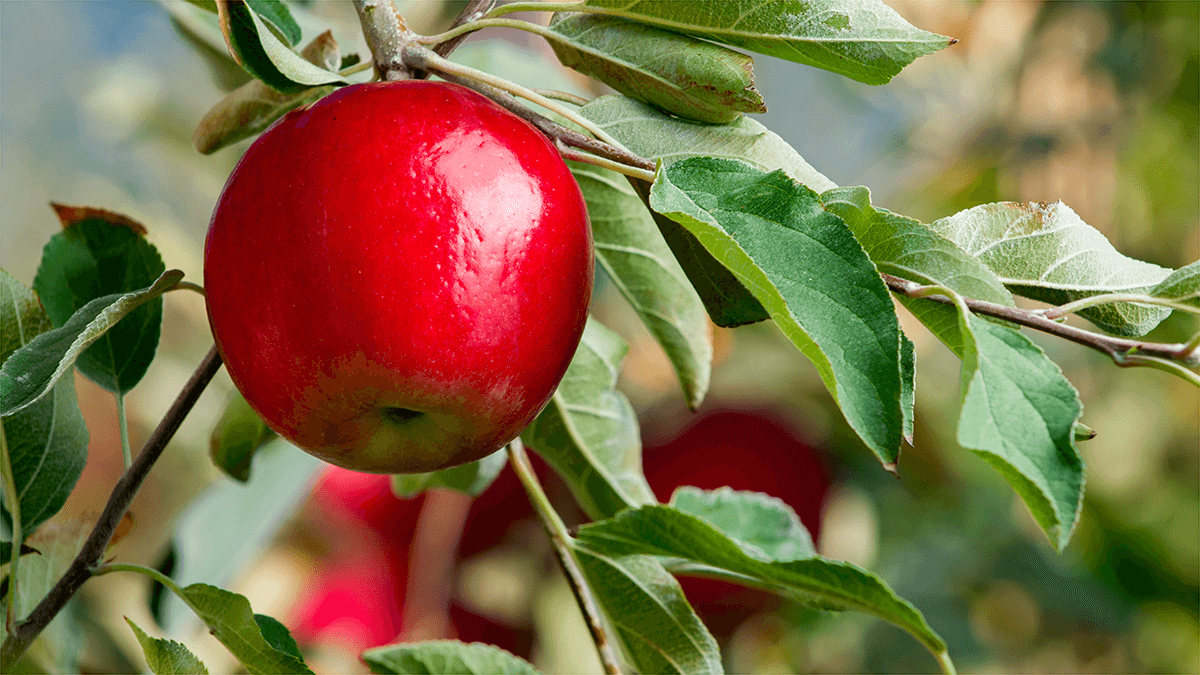
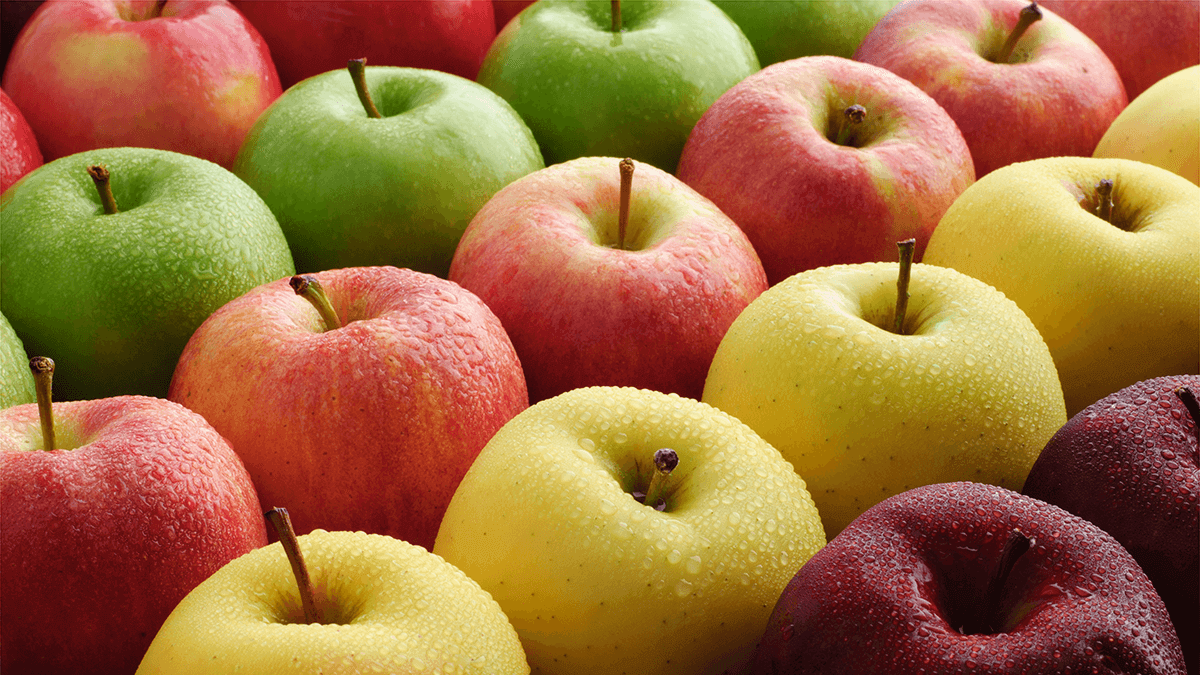
Farming Apples
Our apples are grown in special sites across central Washington, where the best apples grow.
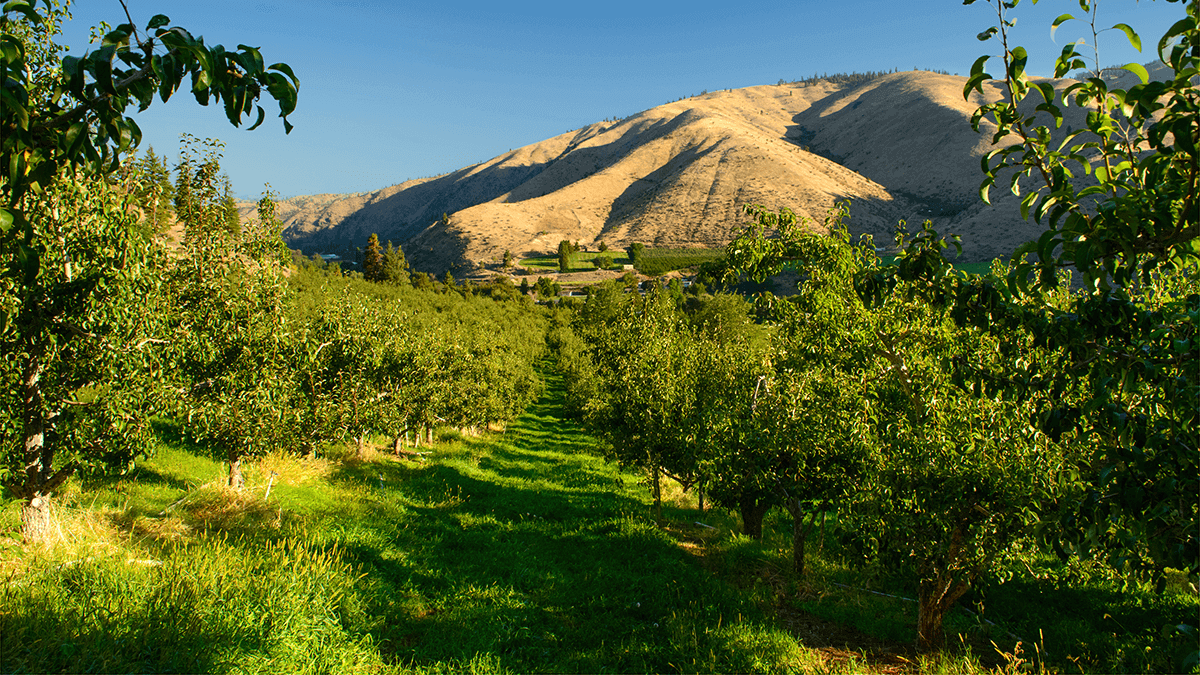
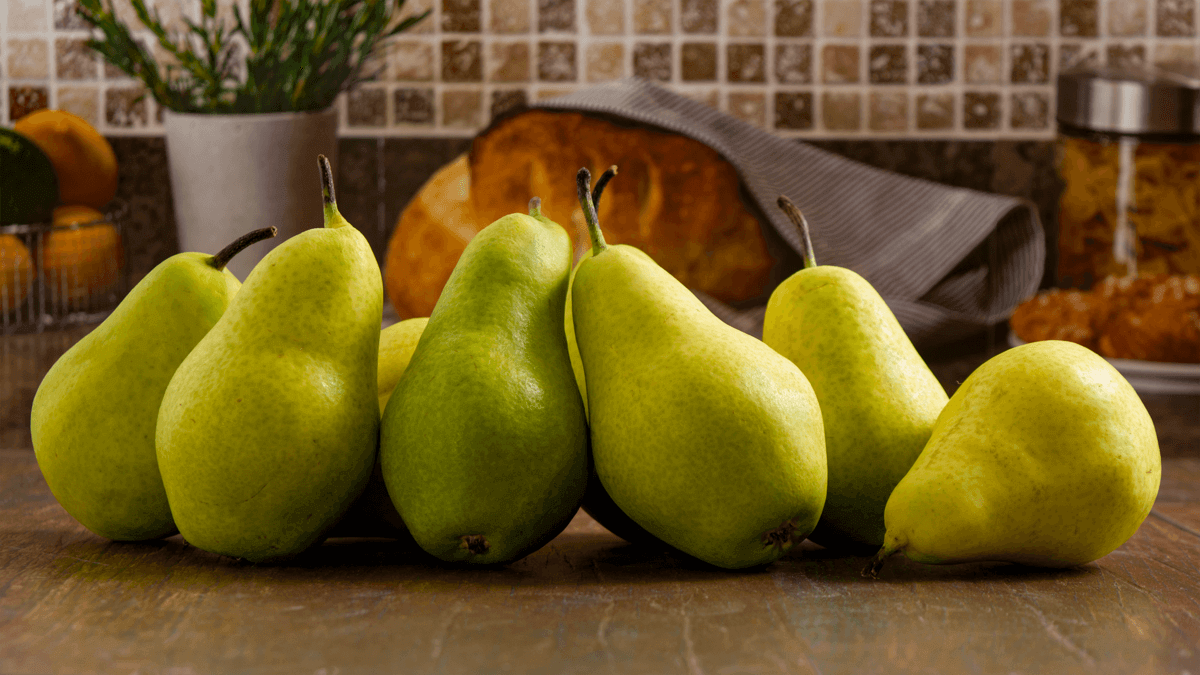
Producing Pears
When it comes to farming Rushing Rivers™ pears, it’s all about our pristine river valley locales.
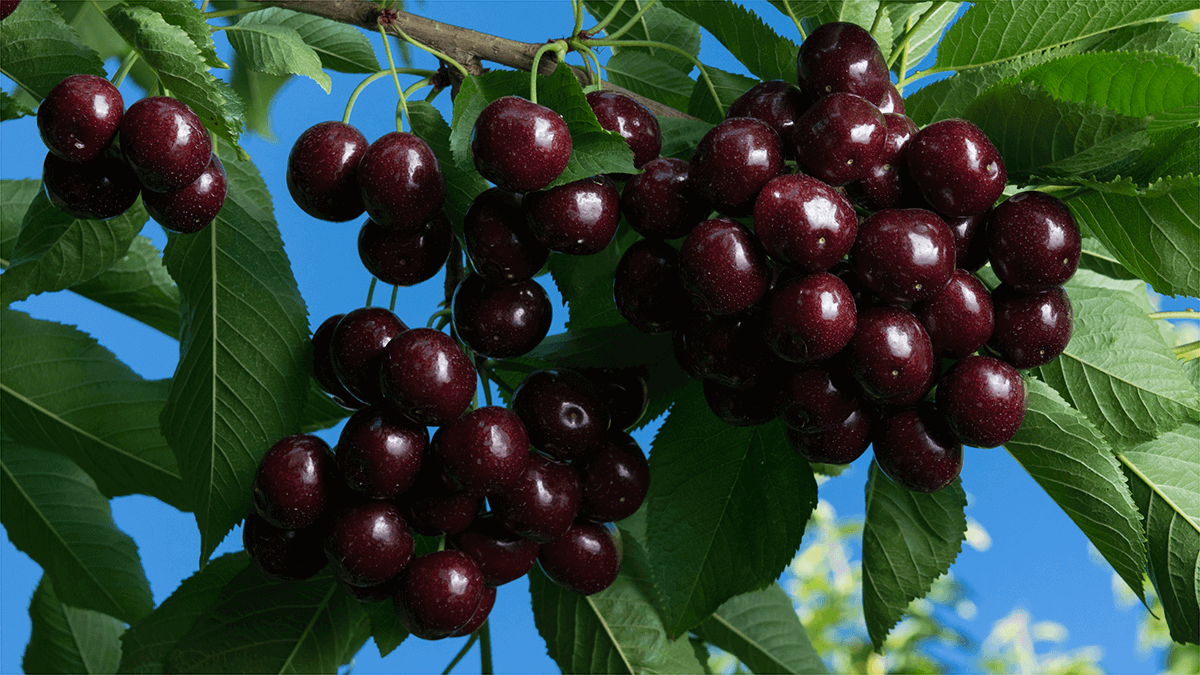
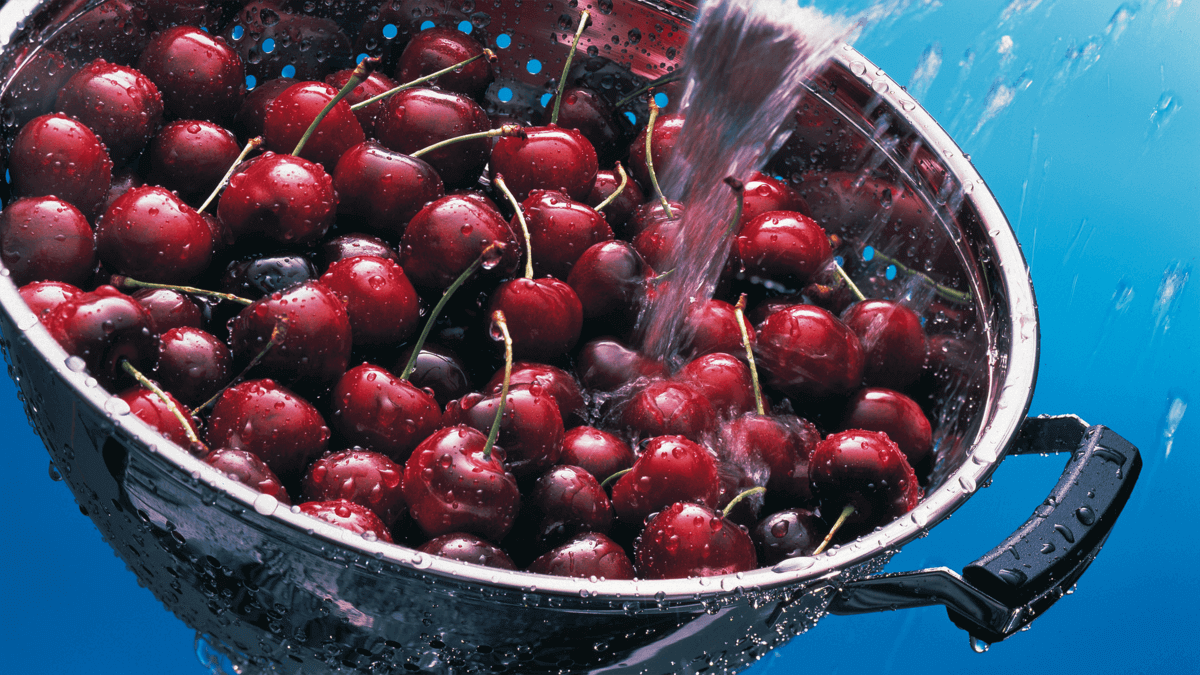
Growing Cherries
The sweetest part of summer takes lots of TLC to get from our farms to your fork.
Health & Nutrition
Fruit Storage Tips
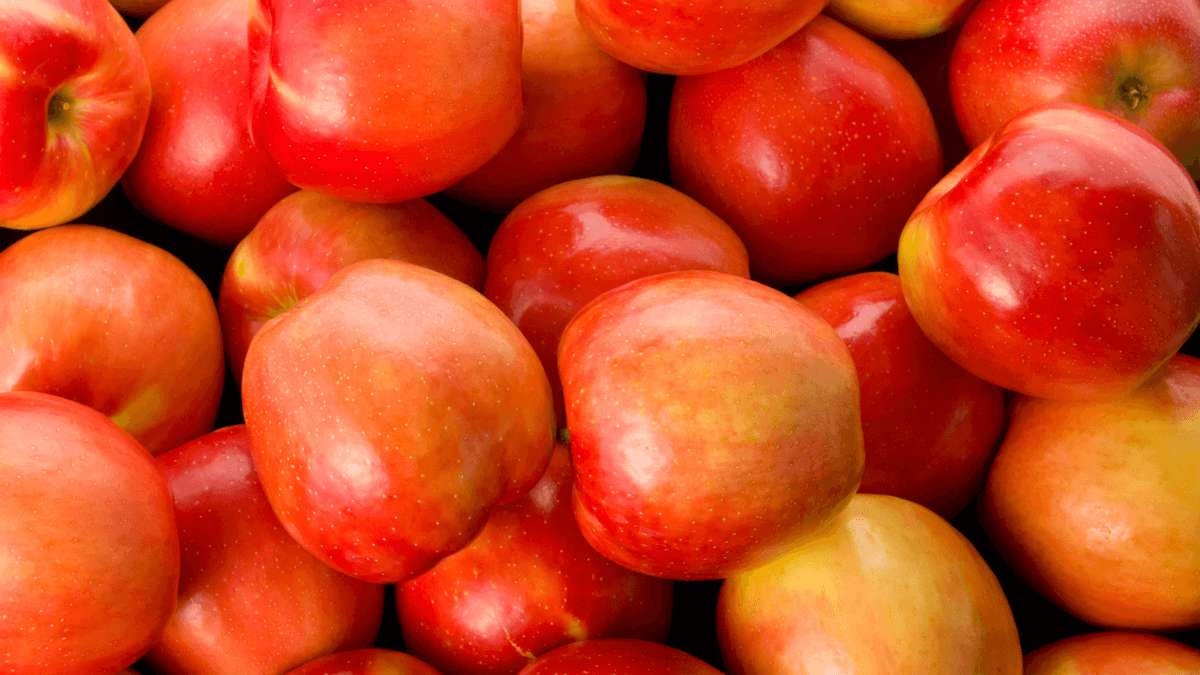
How to Store Apples
What’s the best way to store apples? How do you keep them from browning? Get your questions answered here!
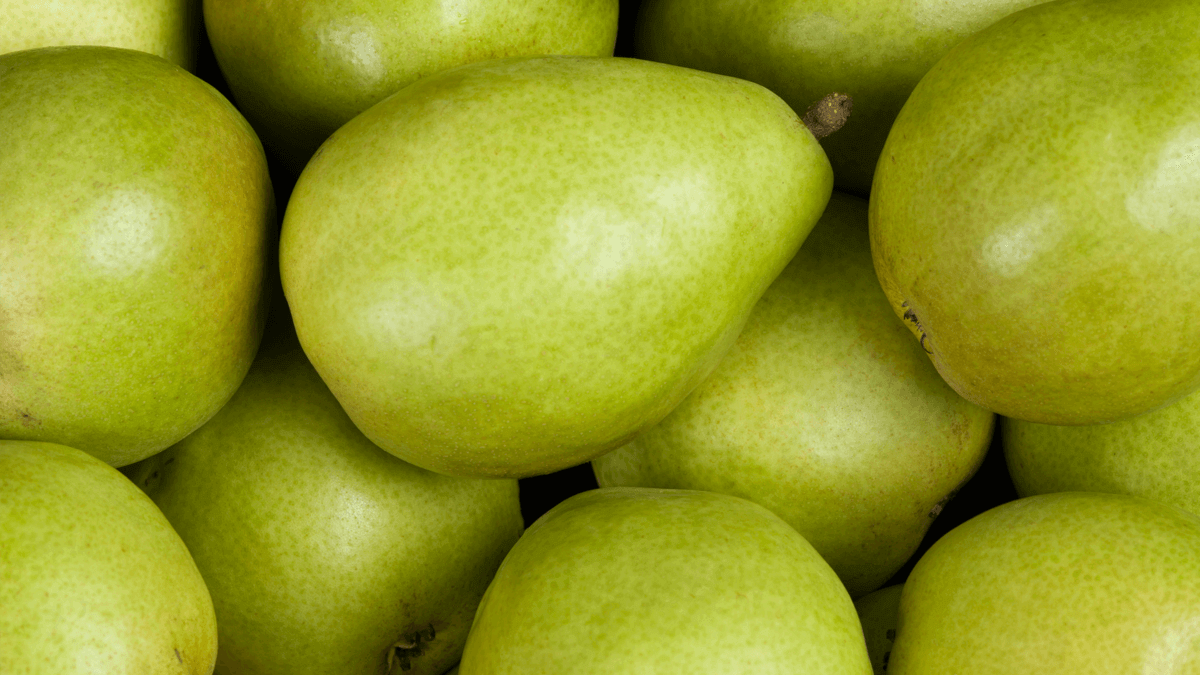
Pear Storage Tips
Ripening pears shouldn’t be a hassle. Here, we tell you how to ripen and store your pears to enjoy them at their best.
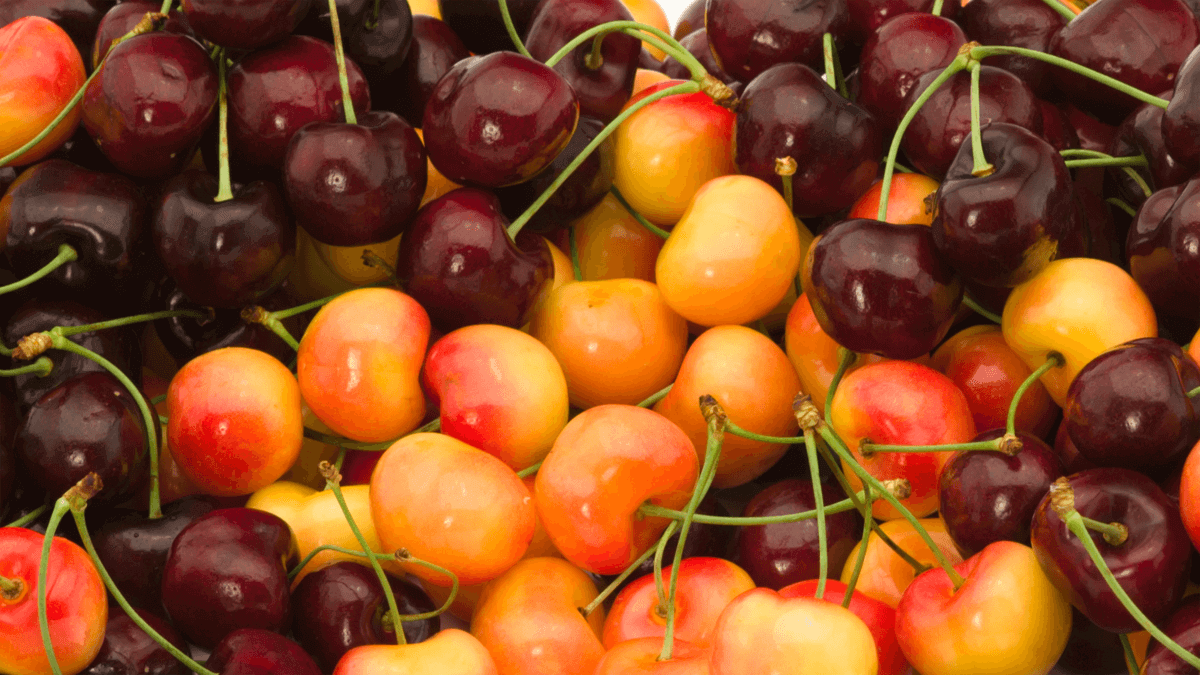
Cherry Tips & Tricks
This delicious summertime fruit is very perishable. Learn the best way to keep cherries fresh, firm, and delicious right here.
Fresh Fruits FAQs
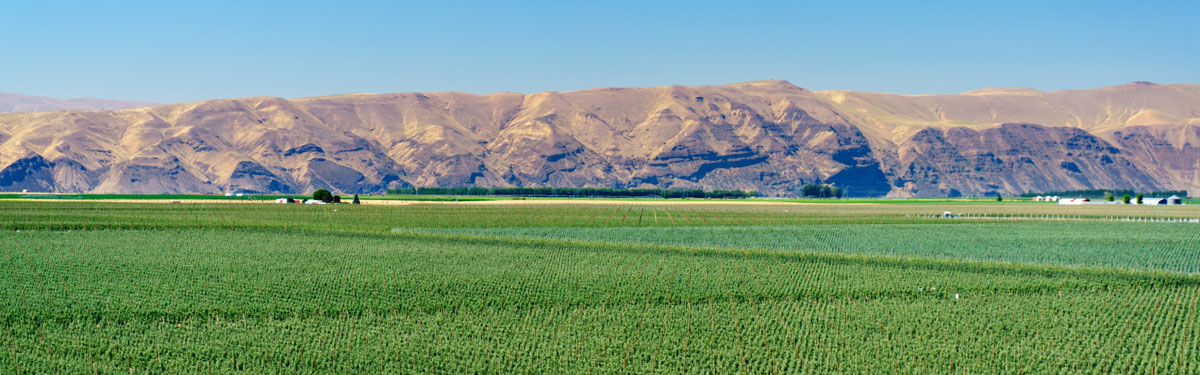
General FAQs
Do we grow GMO fruits? What does Stemilt mean? Get your general questions about us answered here!
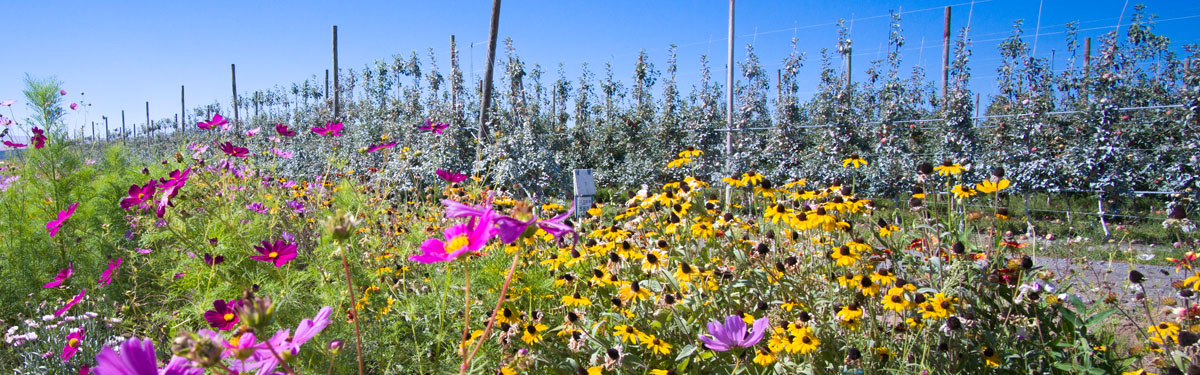
Organic Fruit FAQs
How can I tell if my fruit is organic? Are organic apples waxed? Get the answers to your organic fruit questions!
FAQs for Cherries
How do I store cherries? Can I plant a pit? We’ll tell you right here!
How do I pick the perfect peach? Are your summer fruits organic? Let’s get to it!
Our Favorite Recipes
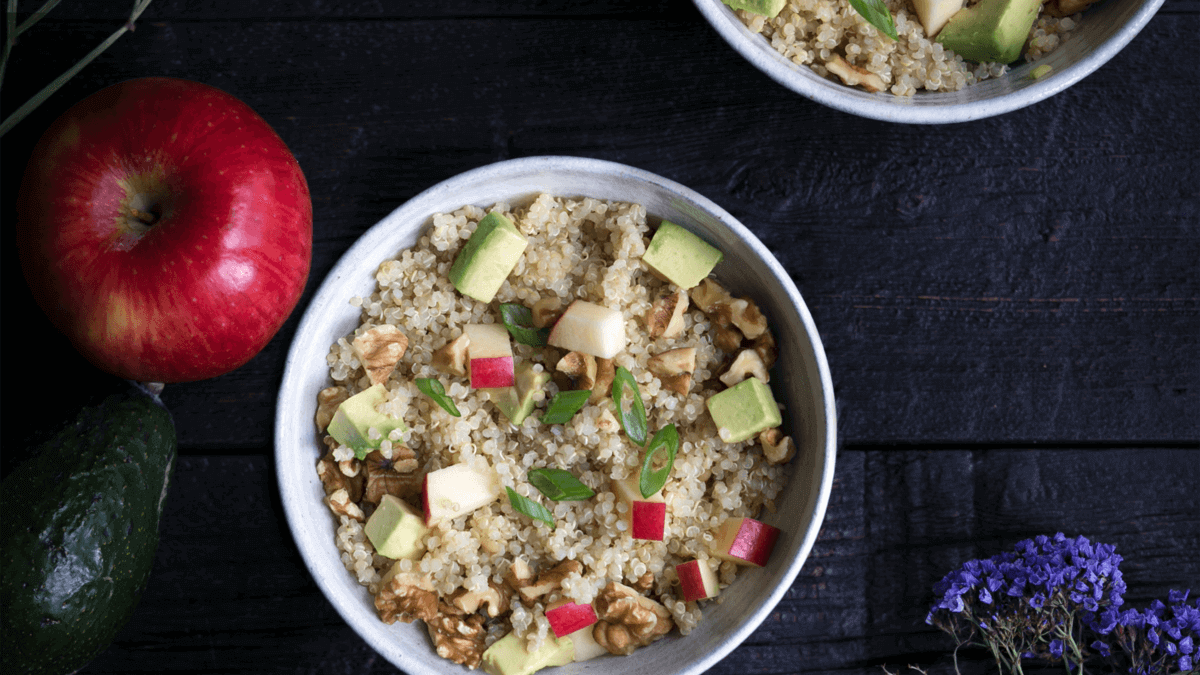
Latest Recipes
Ready to make something DELICIOUS with Stemilt fruits? Let us help you find the perfect recipe for your mood!